
Seasonal Lawn Care: Transitioning from Spring to Summer
Transition your Florida lawn from spring to summer by adjusting mowing height, watering deeply, and fertilizing carefully. Stay proactive against pests, weeds, and disease while supporting soil health to ensure your grass remains strong, green, and resilient through the intense summer heat.
Seasonal Lawn Care: Transitioning from Spring to Summer
As spring gives way to the long, hot days of summer, Florida homeowners face a critical window for lawn care. The decisions you make during this seasonal transition can determine whether your yard thrives or struggles in the intense heat and humidity ahead. With proper preparation and a few strategic adjustments, your lawn can remain lush, green, and resilient all summer long.
Adjust Your Mowing Routine
During spring, frequent mowing helps manage rapid growth. As summer approaches, it’s important to raise your mower blade slightly. Taller grass provides shade for the soil, helping retain moisture and protect roots from the scorching sun. Aim to remove no more than one-third of the grass blade at a time, and keep mower blades sharp to avoid tearing the grass, which can lead to stress and disease.
Adjust Your Watering Strategy
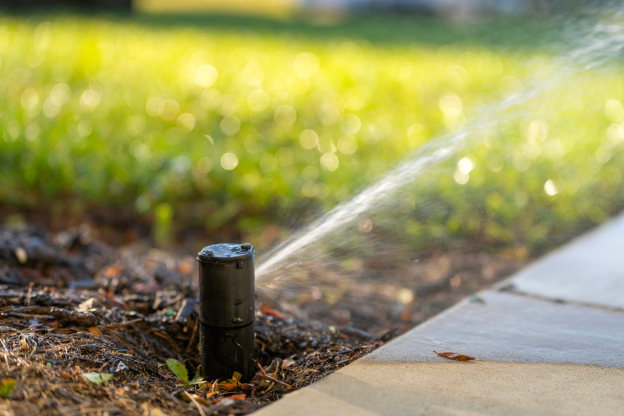
Florida’s summer heat demands a more intentional approach to irrigation. Instead of frequent shallow watering, switch to deep, infrequent watering sessions. This encourages roots to grow deeper into the soil, making your lawn more drought-tolerant. Water early in the morning—typically between 4 a.m. and 9 a.m.—to minimize evaporation and reduce the risk of fungal issues.
Keep an eye on local watering restrictions, which are common in many Florida communities during warmer months. Adjust your schedule accordingly to stay compliant while still supporting your lawn’s health.
Fertilize with Care
Spring fertilization promotes growth, but summer requires a more cautious approach. Applying too much fertilizer in high heat can stress your lawn or even burn it. Use a slow-release fertilizer specifically designed for Florida turfgrasses, and follow recommended application rates closely. If your lawn looks healthy and vibrant, you may not need to fertilize again until later in the season.
Watch for Pests and Diseases
Warmer temperatures create the perfect environment for pests and lawn diseases to thrive. Chinch bugs, sod webworms, and fungal infections become more active as summer begins. Regularly inspect your lawn for signs of trouble, such as brown patches, thinning grass, or visible insects.
Early detection is key. Treat issues promptly with targeted solutions, and consider eco-friendly options whenever possible to protect your landscape and the surrounding environment.
Manage Weeds Proactively
While spring is prime time for weed prevention, summer weeds can still emerge and spread quickly. Maintain a thick, healthy lawn to naturally crowd out weeds. Spot-treat problem areas rather than applying broad herbicides, which can stress your grass in high temperatures.
Mulching around landscape beds and maintaining clean edges can also help prevent weeds from creeping into your lawn.
Support Soil Health
Healthy soil is the foundation of a strong lawn. As you transition into summer, consider adding a light topdressing of compost to improve soil structure and nutrient availability. Aeration, if needed, can also help relieve compaction and improve water absorption, especially in high-traffic areas.
Prepare for Summer Stress
Ultimately, your goal during this transition is to prepare your lawn to withstand heat, humidity, and potential drought. By adjusting mowing heights, refining your watering schedule, and staying vigilant against pests and weeds, you set your yard up for success.
With consistent care and attention, your Florida lawn can remain a vibrant, welcoming space all summer long—perfect for outdoor gatherings, relaxation, and enjoying the Sunshine State lifestyle.