
Lawn and Garden Care This Winter
Winter lawn and garden care is essential for maintaining a healthy Florida landscape. Learn how to adjust mowing and irrigation, protect sensitive plants from cold weather, maintain garden beds, and prepare your yard for spring with simple, seasonal maintenance tips.
Winter in Florida may not bring snow and freezing temperatures, but cooler weather still changes how your lawn and garden grow. Shorter days, lower temperatures, and occasional cold fronts mean Florida homeowners should adjust their landscaping routines to keep outdoor spaces healthy and attractive. With a little seasonal maintenance, you can protect your plants, maintain your lawn, and prepare your landscape for a beautiful spring.
Adjust Your Lawn Care Routine
Grass growth slows during Florida’s cooler months, so your lawn won’t need as much attention as it does during the summer. Reduce mowing frequency and avoid cutting your grass too short. Keeping grass at the recommended height helps protect its roots and retain moisture.
Winter is also a good time to limit fertilizer applications. Applying fertilizer when grass is not actively growing can encourage unnecessary growth and contribute to nutrient runoff. Follow University of Florida IFAS recommendations for your specific grass type and region, and check local fertilizer ordinances before applying any products.
Continue monitoring your lawn for weeds, pests, and signs of disease. Addressing problems early can prevent them from spreading when warmer weather returns.
Protect Plants from Cold Weather
Although Florida winters are generally mild, occasional cold snaps can damage sensitive tropical plants, flowers, and young trees. Keep an eye on the forecast, especially when temperatures are expected to approach freezing.
Here are a few ways to protect your garden:
- Cover sensitive plants: Use breathable frost cloths to protect vulnerable plants during cold nights. Remove coverings during the day when temperatures rise.
- Add mulch: Apply a fresh layer of mulch around trees, shrubs, and garden beds to help insulate roots and maintain consistent soil temperatures.
- Bring container plants indoors: Move sensitive potted plants into a garage, covered patio, or other sheltered location.
- Water appropriately: Moist soil retains heat better than dry soil, but avoid overwatering during cooler weather.
Taking these precautions can help your landscape withstand unexpected temperature changes.
Maintain Garden Beds and Shrubs
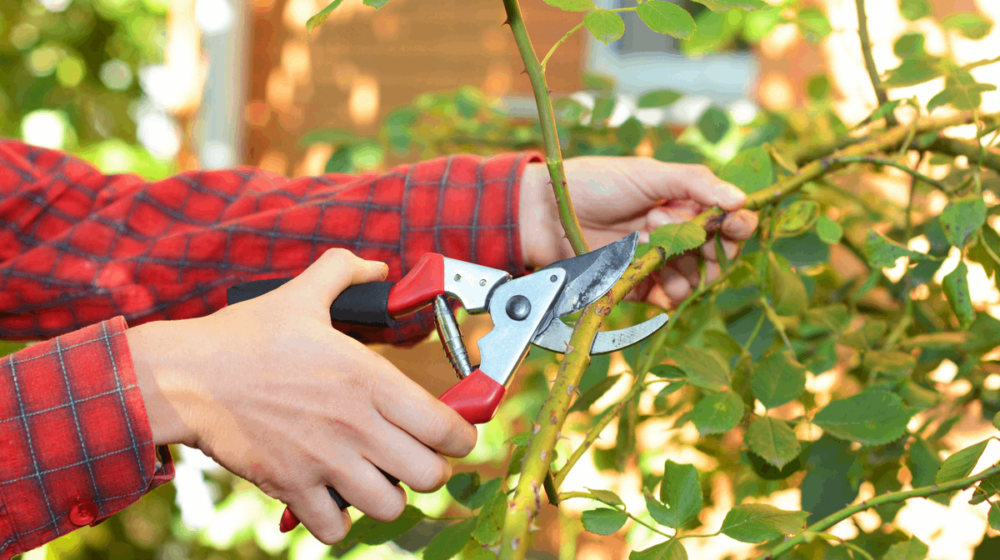
Winter is an excellent time to tidy up garden beds and remove dead or damaged plant material. Pull weeds before they have an opportunity to spread, remove fallen leaves when they accumulate heavily, and trim away broken branches.
Be careful not to prune everything too aggressively. Some Florida plants benefit from waiting until the threat of cold weather has passed before pruning. Avoid heavy pruning of cold-sensitive plants during winter, as new growth may be especially vulnerable to frost damage.
You can also use this season to refresh garden beds with compost or mulch, improve soil conditions, and plan new planting areas for spring.
Rethink Your Irrigation Schedule
Florida’s winter months typically bring cooler temperatures and less evaporation, meaning your landscape may not need as much water. Adjust irrigation schedules to account for rainfall and changing plant needs.
Water lawns and gardens only when necessary, preferably during the early morning. Be sure to follow local watering restrictions and avoid running irrigation systems when freezing temperatures are expected.
Remember to select the right plant for the right place and avoid invasive species.
Add a Comment