
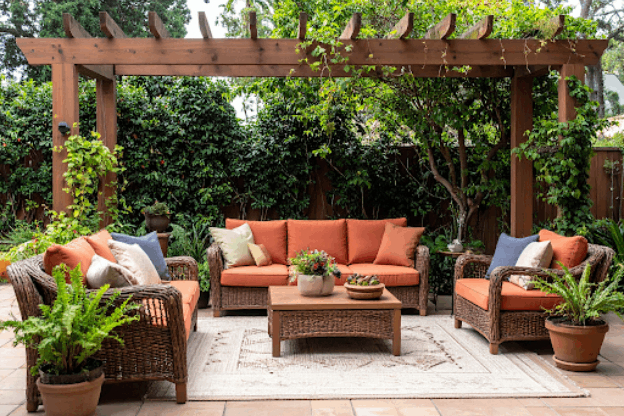
The Role of Hardscaping: Incorporating Non-Plant Elements
Hardscaping adds structure, functionality, and visual appeal to Florida landscapes through features like patios, walkways, retaining walls, and decorative stone. When balanced with plants, these non-living elements improve outdoor living, reduce maintenance, enhance drainage, and create attractive, long-lasting outdoor spaces.
A well-designed Florida landscape is more than grass, shrubs, and flowers. Hardscaping—the use of non-plant elements such as patios, walkways, retaining walls, and decorative stone—plays a major role in creating outdoor spaces that are attractive, functional, and durable. By blending hardscape features with plants, homeowners can create landscapes that are easier to maintain and better suited to Florida’s climate.
What Is Hardscaping?
Hardscaping refers to the permanent, non-living elements of a landscape. Common examples include:
Patios and outdoor living areas create spaces for dining, relaxing, and entertaining outdoors. Consider a paver patio, durable and available in many styles and colors. Outdoor kitchens and seating areas are perfect for year-round entertainment.
Walkways and stepping stones improve circulation through the landscape and connect key areas of the property.
Retaining walls help manage slopes, reduce erosion, and create usable garden spaces.
Decorative rock and gravel add texture, improve drainage, and reduce maintenance in planting beds.
Fire pits, seating walls, and water features add comfort, focal points, and year-round enjoyment to outdoor spaces.
These elements provide structure and usability that plants alone cannot achieve.
Benefits of Hardscaping in Florida
Improved Outdoor Living
Florida’s warm climate encourages outdoor activities throughout much of the year. Patios, decks, and seating areas extend living space beyond the home and create comfortable places for dining, entertaining, and relaxing.
Reduced Maintenance
Lawns and planting beds require mowing, watering, pruning, and fertilizing. Hardscape features generally need less ongoing care, making them attractive for homeowners seeking a lower-maintenance landscape.
Better Drainage and Erosion Control
Heavy rainfall is common in many parts of Florida. Retaining walls, gravel beds, permeable pavers, and other hardscape features can help manage runoff, reduce erosion, and improve drainage around the property.
Increased Property Value
Well-designed hardscaping adds visual appeal and functionality, which can increase curb appeal and potentially enhance a home’s resale value.
Designing a Balanced Landscape
The most successful outdoor designs achieve a balance between hardscape and plantings. Too much hardscape can make a space feel harsh and uninviting, while too many plants without structure can appear cluttered or overgrown. Consider using plants to soften the edges of patios and walkways, adding greenery around retaining walls and seating areas, and choosing materials and colors that complement your home’s architecture and the surrounding landscape.
Florida-Friendly Hardscaping Ideas
- Decorative gravel gardens work well with drought-tolerant plants and require minimal maintenance.
- Permeable pavers allow water to soak into the ground, reducing runoff.
- Natural stone pathways blend beautifully with tropical and native plantings.
Final Thoughts
Hardscaping is an essential component of a complete landscape design. For Florida homeowners, incorporating non-plant elements can improve usability, reduce maintenance, enhance drainage, and create beautiful outdoor spaces that withstand the region’s unique climate conditions. By thoughtfully combining hardscape features with appropriate plants, you can build a landscape that is both functional and visually appealing for years to come.