
Prepare Your Yard for Success in 2026
Florida homeowners can set their yards up for success in 2026 by focusing on debris cleanup, soil health, and Florida-friendly landscaping practices, including efficient watering, mindful fertilizing, and mulching. These proactive steps support healthy growth, reduce maintenance, and help protect local waterways year-round.
homeowners look ahead to a thriving outdoor space in 2026, taking a few proactive steps now can make all the difference. Our hot, humid climate, sandy soils, heavy rains, and sensitive waterways require smart planning and Florida-friendly practices for a beautiful, resilient, and eco-friendly yard year-round.
Start with Clean Groundwork
Before spring growth begins, give your yard an early cleanup. Rake leaves, branches, palm fronds, and other debris that can smother grass, trap moisture, and attract pests or disease. Clearing these materials now keeps your lawn and beds breathing and helps prevent bare or brown spots from developing under decaying debris. Lightly trim shrubs and tidy up plant beds to improve airflow and maintain a neat appearance as we head into the growing season.
Test and Improve Your Soil
Healthy soil is the foundation of a successful yard. Winter and early spring are great times to test your soil’s nutrient levels and pH. Knowing what your soil needs allows you to amend it thoughtfully — whether adding organic compost, adjusting pH, or choosing the right fertilizer later in the season. Many county extension offices in Florida offer soil testing, or you can use a home kit for a snapshot of soil health.
Adopt Florida-Friendly Practices
Florida’s unique climate necessitates landscaping practices that conserve water and protect natural resources. Make a plan now to adopt Florida-Friendly Landscaping™ principles this year. We’ve highlighted three of the nine principles: water efficiently, fertilize appropriately, and mulch wisely. Applying these principles helps reduce maintenance and keeps local waterways clean.
Water and Irrigate Smartly
Water management is crucial in Florida. Water early in the morning or in the late evening to ensure the water is absorbed by root systems, rather than evaporating during the heat of the day. Aim for deep, infrequent watering to encourage robust root systems.
Installing rain sensors or using smart irrigation controls can help you water efficiently and in response to actual yard needs, saving both water and money over time. Use drip or micro-spray irrigation in beds to cut down waste and help deliver water directly where it’s needed most.
Fertilize with Care
Many Florida counties promote “fertilize smart” approaches. Only fertilize when your lawn truly needs it, and choose slow-release nitrogen fertilizers. This is especially important because overfertilizing or applying fertilizer at the wrong time can lead to nutrient runoff that harms nearby lakes, rivers, and coastal waters. Keep fertilizer away from waterways and clean any spills right away.
Mulch and Maintain Plant Beds
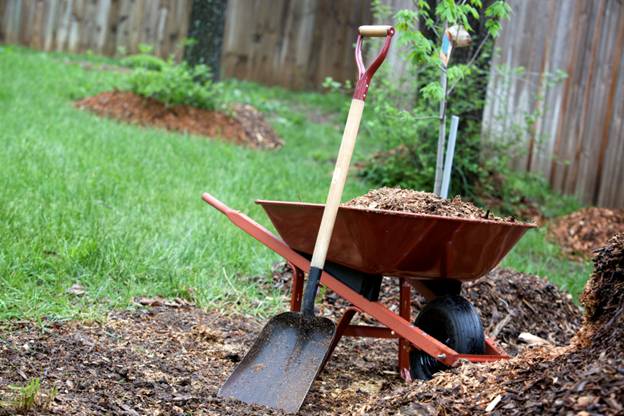
Adding or refreshing mulch around trees, shrubs, and garden beds improves moisture retention, moderates soil temperature, and helps suppress weeds. Aim for 2–3 inches of organic mulch, but keep it a few inches away from plant stems to prevent rot. Organic mulches also slowly break down, enriching the soil over time.
Stay Ahead of Weeds and Pests
Even in cooler months, winter weeds like henbit or clover can get a head start. Pulling them now makes spring care easier. Keeping an eye out for early pest or fungal issues will save you time and effort later.
Wrap-Up
Preparing your yard for success in 2026 entails thoughtful care now so your landscape thrives later. By cleaning up debris, nurturing soil health, using Florida-friendly landscaping practices, and watching for weeds and pests, you lay the groundwork for a lush, low-stress yard in the Sunshine State. Here’s to a year of growth, beauty, and sustainability right outside your door!