
End-of-Year Yard Cleanup: Getting Ready for 2026
End-of-year yard cleanup helps Florida homeowners prepare for a healthy 2026 landscape. Clearing debris, light pruning, refreshing mulch, adjusting irrigation, and managing weeds now can prevent pests, improve plant health, and make spring lawn care easier and more successful.
As the year winds down and we look ahead to 2026, Florida homeowners have a unique opportunity to give their outdoor spaces a thoughtful end-of-year cleanup. With our state’s warm climate and year-round growing seasons, a Florida yard doesn’t go dormant the way yards do farther north. That means the right yard maintenance now can prevent problems, protect plant health, and make spring landscaping a breeze.
Why Florida Needs Year-End Yard Care
Mild Florida winters mean that South and Central Florida yards keep growing much of the year, while North Florida can still see occasional freezing temperatures. Florida’s mix of heat, humidity, tropical storms, and late fall leaf drop creates unique yard challenges — from debris buildup to winter weed pressure. Tackling cleanup now prevents fungus, pests, and messy lawns when the new growing season begins.
1. Clear Debris and Fallen Leaves
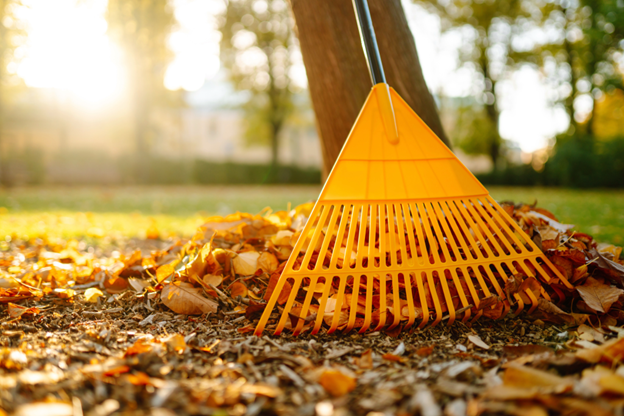
Florida trees, especially oaks, often hold leaves until late in the year. Leaving leaves and palm fronds on your lawn can smother grass, trap moisture, and invite pests or disease. Rake leaves and remove branches, seed pods, and windblown storm debris so your yard can breathe and won’t develop brown spots under mats of decaying material.
2. Trim and Tidy Trees, Shrubs & Palms
Pruning is a key part of end-of-year cleanup. Remove dead or damaged branches from shrubs and trees to improve air circulation and reduce future pest problems. Palms and tropical plants also shed fronds and seed pods year-round; cleaning these up prevents lawn damage and safety hazards. In many parts of Florida, late winter to early spring is ideal for major pruning, but light trimming now helps keep yards neat through the cooler months.
3. Refresh Mulch and Bed Areas
Spring and summer’s heat and rain quickly break down mulch, so adding a fresh layer around flower beds, trees, and shrubs helps retain soil moisture, regulate temperature, and suppress winter weeds. A 2- to 3-inch layer of mulch keeps roots insulated and gives your landscape a polished look as you head into the new year.
4. Adjust Irrigation and Watering
With cooler weather in late fall and early winter, your yard will need less frequent watering than during our long wet season, but don’t ignore soil moisture entirely. Adjust irrigation systems to water deeply and infrequently, encouraging strong root growth without waste. Regularly check for puddling or drainage issues, as wet conditions can reveal low spots that need attention before spring.
5. Weed and Pest Watch
Florida homeowners often face winter weeds like chickweed, henbit, clover, and annual bluegrass. Pull or spot-treat these before they spread seeds and create bigger headaches in spring. Keep an eye out for fungal activity or pest damage, even in cooler months — early detection makes treatment easier.
6. Lawn Mowing and Edging
You might be able to ease up on mowing as growth slows, but don’t abandon the mower. Cutting grass every few weeks keeps your lawn tidy and reduces hiding spots for pests. A clean edge along walkways and driveways completes the polished yard look and prevents creeping grass from invading hardscape areas.
Final Thoughts
As the year wraps up, a yard cleanup in Florida is all about getting your landscape ready for what’s next. Clearing debris, trimming plants, refreshing mulch, and staying on top of weeds set the stage for a healthy, low-stress start to the gardening season in 2026. With a little seasonal care now, you’ll enjoy a beautiful yard that thrives in our Sunshine State climate all year long.