
The Best Mulching Techniques for Healthy Florida Gardens
Mulching is essential for keeping Florida gardens healthy by conserving moisture, improving soil, and reducing weeds. Choosing the right mulch—like pine straw, melaleuca, or wood chips—and applying it correctly helps protect plants, support native landscapes, and create a resilient, low-maintenance yard.
A thriving Florida landscape doesn’t happen by accident—our sandy soils, scorching sun, heavy rains, and humidity create unique challenges for homeowners. Mulching is one of the simplest and most effective ways to protect your plants, conserve moisture, and build healthier soil year-round. With the right mulching techniques, you can keep your garden vibrant through Florida’s heat, storms, and occasional cold snaps.
Why Mulch Matters in Florida
Mulch does more than make your landscape look polished. It helps stabilize soil temperature, lock in moisture, reduce weed growth, and protect plant roots from sun and wind. In Florida’s climate, where heavy rain can erode soil and prolonged dry spells are common, mulch acts as a buffer that maintains soil health and plant resilience.
Choose the Right Mulch for Your Yard
Florida homeowners have several great mulching options, each with its own benefits:
1. Pine Straw
Pine straw is a favorite in Florida because it’s lightweight, cost-effective, and ideal for acid-loving plants like azaleas and gardenias. It breaks down slowly and helps improve sandy soil structure over time.
2. Wood Chips or Bark Mulch
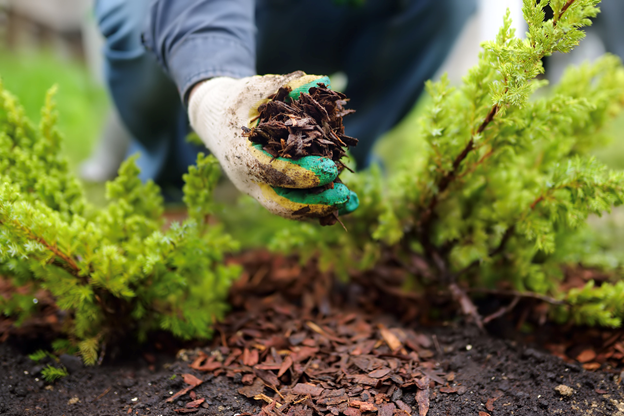
Hardwood mulch adds a polished look and enriches the soil as it decomposes. It works especially well around trees, shrubs, and garden beds. Look for natural or undyed varieties to avoid unnecessary chemicals.
3. Melaleuca Mulch
This eco-friendly option is produced from the invasive melaleuca tree. It’s long-lasting, termite-resistant, and reduces the spread of this problematic species—making it a sustainable Florida choice.
4. Eucalyptus Mulch
Known for its pleasant scent and ability to deter insects, eucalyptus mulch is another environmentally friendly option sourced from fast-growing trees.
Apply the Right Amount
Applying too little mulch won’t provide much of a benefit to your soil and plants, while too much can suffocate plant roots. Aim for a layer 2 to 3 inches deep around most garden beds. For coarser materials like pine bark nuggets, go slightly thicker—up to 4 inches. Always keep mulch 2 to 3 inches away from trunks and stems to prevent rot and pest problems.
Refresh Mulch as Needed
Florida’s heat, humidity, and frequent rainfall can accelerate the breakdown of organic mulches. Inspect your beds every few months: if your mulch layer dips below 2 inches, add a light top-off to restore coverage. Avoid piling mulch repeatedly without allowing it to break down, as this can create overly thick layers that trap moisture.
Use Mulch to Create Natural Weed Barriers
Before laying mulch, remove existing weeds and consider adding a biodegradable weed barrier such as newspaper or cardboard. These materials decompose naturally while helping block sunlight, giving your mulch a stronger weed-suppressing effect—especially important in Florida’s year-round growing conditions.
Choose Mulch That Supports Native and Drought-Tolerant Plants
If your landscape features Florida natives or drought-tolerant species, mulch can help mimic their natural habitat. Pine straw, leaf litter, and shredded bark work well with native plantings and help create a healthy, natural ecosystem.
By choosing the right mulch and applying it correctly, Florida homeowners can boost soil health, protect plants, and create a low-maintenance, attractive landscape. With just a little seasonal care, mulching becomes one of the most powerful tools for a thriving Florida garden.