
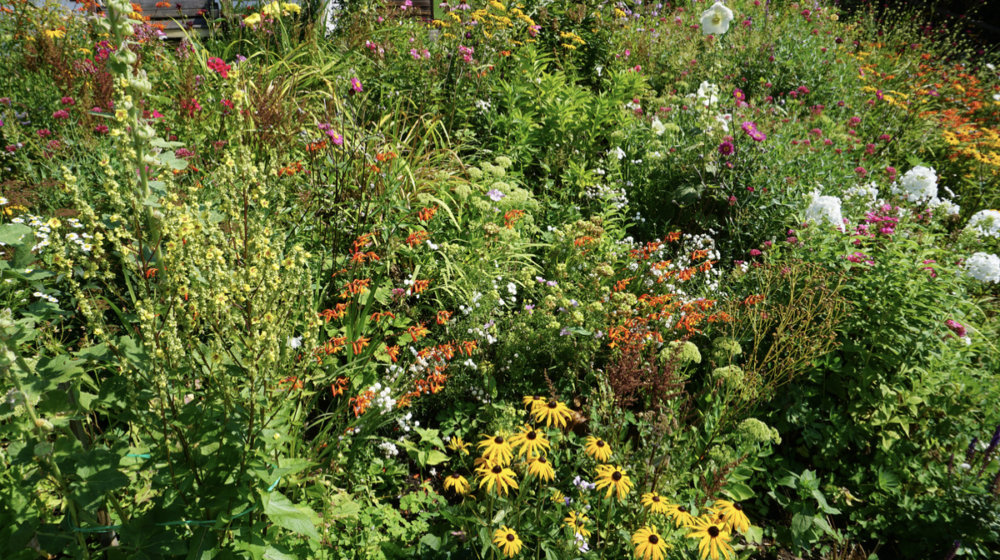
Go Native in Your Florida Garden
Community-wide landscaping helps Florida neighborhoods look attractive, cohesive, and well maintained. Coordinated landscape plans can support property values, improve shared outdoor spaces, encourage Florida-friendly practices, and simplify maintenance. Professional care also helps identify problems early while creating a more enjoyable environment for residents.
Florida’s warm climate, sandy soils, and frequent summer rains create unique opportunities and challenges for homeowners looking to create a beautiful landscape. One of the best ways to create a thriving, low-maintenance yard is to incorporate native Florida plants. These plants are naturally adapted to the state’s environment, offering beauty, resilience, and valuable benefits for local wildlife. Whether you are redesigning your entire yard or refreshing a few garden beds,
going native is a smart choice for your Florida home.
What Are Native Florida Plants?
Native plants are species that occur naturally in a region without having been introduced by humans. Florida’s native vegetation ranges from colorful wildflowers and ornamental grasses to flowering shrubs and majestic trees. Popular choices include firebush, coontie, beautyberry, muhly grass, and Florida-friendly native milkweed species.
Because these plants evolved in Florida’s climate and ecosystems, many are better equipped to handle local rainfall patterns, seasonal temperature changes, and native soil conditions than plants from other regions. Choosing the right species for your property helps create a landscape that looks natural and grows well in its surroundings.
Enjoy a Lower-Maintenance Landscape
One of the biggest advantages of native plants is their potential to reduce yard maintenance. Once established in suitable locations, many native species require less supplemental watering than traditional ornamental plants. Their natural adaptability can also reduce the need for fertilizers and other soil amendments.
Native plants are not maintenance-free, however. They still need appropriate watering during establishment, occasional pruning, and monitoring for pests or disease. Selecting plants suited to your yard’s sunlight, drainage, and soil conditions will help minimize ongoing work while keeping your landscape healthy.
Support Florida’s Wildlife
A native garden does more than improve curb appeal. It can also provide essential food and shelter for Florida’s birds, butterflies, bees, and other beneficial wildlife.
Flowering natives offer nectar and pollen for pollinators, while certain plants serve as host plants for butterfly caterpillars. Native trees and shrubs provide nesting sites, shelter, and berries for birds. For example, firebush attracts hummingbirds and butterflies, while beautyberry produces colorful fruit enjoyed by several bird species.
By planting a variety of native species that bloom and produce fruit at different times of the year, you can create a welcoming habitat throughout the seasons.
Conserve Water and Protect the Environment
Florida homeowners often face high summer temperatures and periods of limited rainfall. Native plants suited to local conditions can help reduce irrigation needs once established, conserving water and potentially lowering utility costs.
A thoughtfully designed native landscape may also reduce fertilizer use and chemical treatments. This matters in Florida, where stormwater runoff can carry excess nutrients into lakes, rivers, and coastal waters. Choosing appropriate plants and following responsible lawn-care practices can help protect these valuable natural resources.
How to Get Started
You don’t need to transform your entire yard at once. Start with a small garden bed, replace a few struggling ornamentals, or introduce native plants along a fence or walkway.
Before purchasing plants, consider your property’s sunlight, soil drainage, available space, and irrigation needs. Choose a mix of trees, shrubs, grasses, and flowering plants for visual interest and habitat diversity. Consult the University of Florida’s IFAS Extension resources for recommendations suited to your region.
Remember to select the right plant for the right place and avoid invasive species.
Grow a Garden That Belongs in Florida
Going native allows Florida homeowners to enjoy attractive landscaping while supporting local ecosystems. With thoughtful plant selection and proper placement, your garden can become more resilient, wildlife-friendly, and easier to maintain. Start small, choose plants suited to your property, and discover how native landscaping can bring lasting beauty to your Florida home.
Snippet:
Discover how native Florida plants create beautiful, low-maintenance landscapes while conserving water, supporting wildlife, and protecting local ecosystems naturally.
Excerpt:
Native Florida plants offer homeowners a beautiful, low-maintenance landscaping option. Discover how native flowers, shrubs, grasses, and trees conserve water, support pollinators and birds, and protect local ecosystems. Learn how to choose the right plants for your property and create a healthy, Florida-friendly garden.
Add a Comment