
All About Water-Wise Landscaping
Water-wise landscaping helps Florida homeowners create attractive, low-maintenance yards while conserving water. By using native plants, efficient irrigation, mulch, and reduced lawn areas, homeowners can lower water usage, save money, and maintain healthy, sustainable landscapes that thrive in Florida’s unique climate.
Florida homeowners know that maintaining a beautiful landscape can be challenging in the heat and humidity of the Sunshine State. Between long dry spells, sandy soil, and rising water costs, traditional landscaping methods can require more maintenance and irrigation than many homeowners expect. That’s where water-wise landscaping comes in. Also known as xeriscaping, water-wise landscaping focuses on creating attractive outdoor spaces that use less water while still thriving in Florida’s climate.
Choose Florida-Friendly Plants
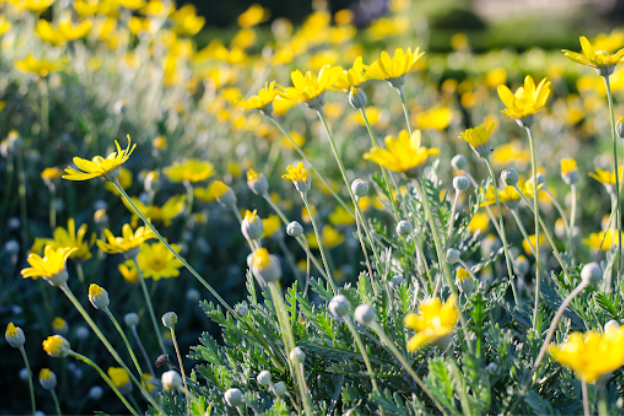
The first step in creating a water-wise landscape is selecting Florida-friendly plants. Native plants are naturally adapted to Florida’s climate, rainfall, and soil conditions, making them excellent choices for low-maintenance yards. Popular options include muhly grass, coontie palms, firebush, coreopsis, and beautyberry. These plants are drought-tolerant once established and often attract beneficial pollinators like butterflies and bees.
In addition to native plants, homeowners can incorporate other drought-tolerant species that perform well in Florida’s environment. Choosing hardy plants reduces the need for constant watering and helps landscapes stay healthy even during periods of limited rainfall.
Use Smart Grouping Techniques
Grouping plants according to their watering needs, or hydrozoning, helps prevent overwatering by keeping thirsty plants separate from drought-tolerant varieties. For example, tropical plants that require frequent moisture can be placed near irrigation sources, while hardy native plants can thrive in areas that receive less water.
Thoughtful plant placement can also improve plant health. Placing shade-loving plants under trees and sun-loving plants in open areas allows them to grow more naturally and efficiently.
Mulch for Moisture Retention
Mulching plays a major role in water-wise landscaping. A layer of mulch helps soil retain moisture, reduces weed growth, and keeps roots cooler during Florida’s hottest months. Organic mulches such as pine bark, eucalyptus mulch, or pine straw gradually break down and improve soil health over time.
Applying two to three inches of mulch around plants and trees can make a noticeable difference in water retention. Mulch also gives garden beds a clean, polished appearance while helping homeowners reduce maintenance.
Upgrade Your Irrigation System
Efficient irrigation is another key component of a water-wise yard. Many Florida homeowners unknowingly waste water through outdated sprinkler systems or improper watering schedules. Drip irrigation systems are often more efficient because they deliver water directly to plant roots rather than spraying large areas.
Watering early in the morning reduces evaporation and allows plants to absorb moisture more effectively. Installing rain sensors or smart irrigation controllers can further reduce unnecessary watering and help homeowners follow local watering guidelines.
Reduce Traditional Lawn Areas
Traditional turfgrass often requires regular watering and maintenance, especially during dry periods. Reducing lawn areas and incorporating groundcovers, decorative gravel, mulch beds, or hardscaping features can lower water demands while adding visual interest to the landscape.
Permeable pathways, rock gardens, and shaded seating areas can all enhance curb appeal without increasing irrigation needs. These features can also create more functional outdoor living spaces for entertaining and relaxing.
Enjoy a Beautiful, Sustainable Landscape
Water-wise landscaping doesn’t mean sacrificing beauty. In fact, many Florida homeowners discover that these landscapes are more colorful, resilient, and easier to maintain than traditional lawns. By choosing smart landscaping practices and Florida-friendly plants, homeowners can create outdoor spaces that look great while conserving one of the state’s most valuable resources: water.