
Plan Your Summer Vegetable Garden
Learn how to successfully grow a summer vegetable garden in Florida’s heat with tips on choosing the right crops, improving soil, watering efficiently, and managing pests. With proper planning and care, you can enjoy a steady harvest of fresh, homegrown vegetables all season long.
Summer in Florida means long days, plenty of sunshine, and—if you play your cards right—a vegetable garden that thrives. But let’s be honest, the heat, humidity, and those surprise rainstorms make gardening here a bit of an adventure. With some smart planning and the right plants, you’ll be harvesting fresh veggies in no time.
Start with the Right Location
Choosing the ideal spot for your garden is the first step to success. Most vegetables need at least 6–8 hours of direct sunlight each day, but in Florida’s summer heat, a bit of afternoon shade can help prevent plants from wilting. Check for a location with well-draining soil and easy access to water. Raised beds or container gardens are excellent options if your soil is sandy or prone to flooding.
Select Heat-Tolerant Vegetables
Not every veggie is cut out for Florida’s steamy summers, so pick varieties that can handle the heat and humidity. Some excellent options include:
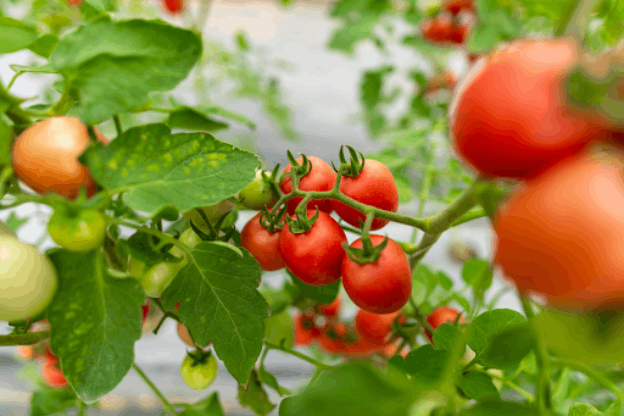
- Tomatoes (heat-tolerant varieties)
- Peppers (bell, jalapeño, and hot varieties)
- Okra
- Sweet potatoes
- Eggplant
- Southern peas (like black-eyed peas)
- Cucumbers
Leafy greens can be more challenging in summer, but varieties like Malabar spinach or Seminole pumpkin are well-suited for Florida gardens.
Prepare and Enrich Your Soil
Healthy soil is the foundation of a productive garden. Before planting, mix in organic matter such as compost or well-rotted manure to improve soil structure and nutrient content. Florida soils are often sandy and low in nutrients, so adding organic material helps retain moisture and support plant growth.
A slow-release fertilizer can also give your plants a strong start. Be sure to follow recommended application rates to avoid over-fertilizing, which can harm your plants.
Water Wisely
Consistent watering is essential during Florida’s hot summer months. Most vegetable gardens need about 1–1.5 inches of water per week, but this can increase during periods of extreme heat. Water early in the morning to reduce evaporation and help prevent fungal diseases.
Drip irrigation or soaker hoses are ideal for delivering water directly to the roots while keeping foliage dry. Adding a layer of mulch around your plants can also help retain moisture and regulate soil temperature.
Manage Pests and Diseases
Warm, humid conditions can attract pests and encourage plant diseases. Keep an eye out for common garden pests like aphids, whiteflies, and caterpillars. Regularly inspect your plants and address issues early with natural solutions such as neem oil or insecticidal soap.
Good garden hygiene is also key. Remove dead or diseased plant material promptly, and avoid overcrowding plants to improve air circulation.
Plan for Succession Planting
To maximize your harvest, consider succession planting—planting new crops as others finish. This ensures a steady supply of fresh vegetables throughout the season. Fast-growing crops like cucumbers or beans can be replanted multiple times during the summer.
Enjoy the Process
Gardening in Florida’s summer isn’t always a breeze, but it’s worth it. With the right preparation and care, you can enjoy fresh, homegrown vegetables right from your backyard. Take time to observe your garden, learn from each season, and celebrate the small successes along the way.
By planning ahead and working with Florida’s unique climate, your summer vegetable garden can flourish and provide delicious results all season long.